No Low-Ballers, I Know What I Have: The Skyrocketing Prices of Japanese Cars
Buying a car is no easy task, and it was no different for me. I would stay up late every night searching Kijiji and Facebook marketplace until my head would start pounding. I wanted a ‘93 Nissan Skyline but I would settle for any Japanese car from the nineties. There was no shortage but the kicker was that I would always find something but it would always come at a cost, a ridiculously high cost! It was so painful knowing that I couldn’t have what I wanted, simply because I am your average broke college student. Wrapping my head around why these cars were so expensive when they are 25 years old and have more holes in the body than swiss cheese was nothing short of impossible. I knew that these cars were popular because of the underground street racing scenes but that was about it. Turns out, getting my hands on one of the sporty coupes with crazy power would be harder than I thought. Lets just say that being fast and furious is more difficult and costly then anyone ever thought.
Underground street racing is something that runs through the veins of every city. If you know, you know and if you don’t, well, you’re missing out. Japanese cars are like first generation Nokia cell phones, they are indestructible and for street racers this is top of the priority list. Something that can stay intact while putting down power is what everyone wants and needs. I discussed the topic with an active street racer and tuner to get a true understanding why these flagship cars are priced so much higher than they’re worth.
“The car scene is actually at an all time low, it’s full of little kids who are buying nice cars and just not doing the whole tuning thing right. Finding a sick car nowadays is going to cost you and there are so many reasons why.”
They don’t make things like they used to:
This is an old saying that parents and grandparents use all the time to highlight how everything in the past was better. Even though this is not always true, it is the case for these cars. The 98’ Toyota Supra is powered by a 2JZ-GTE, an iron block inline 6 engine. The cast Iron block is what allows the car to be super reliable and withstand a crazy amount of power. The 20’ Supra has a block made of machined aluminium, which isn’t the end of the world. With the B58, you cannot bolt on parts like the 2JZ and expect a high horsepower number. Picture it like this, a cast iron skillet is much more rugged and tough then the average frying pan. This element of reliability is what all the racers look for. It allows them to make big power with little worry and it is much easier to find in JDM sports cars from the 90s rather than today’s highly engineered coupes. This element of reliability isn’t only the case for the Supra but every manufacturer of this time had their own variation of the “indestructible” engine.
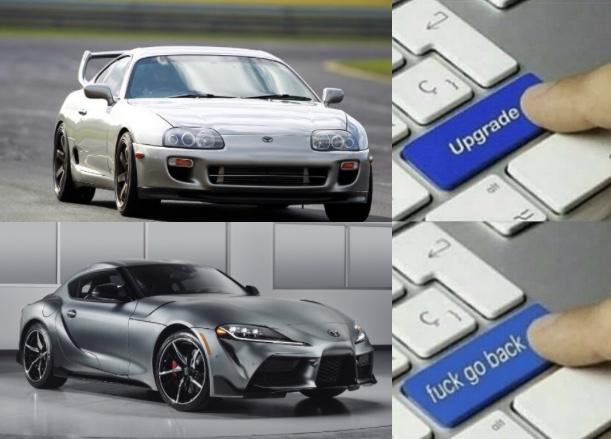
These engines are simpler than today’s equivalents and this adds to the desire to own 25 year old engines. Gearheads are inclined to wrench away, and when something is mechanical rather than electronically driven, it makes the experience of working on a car more enjoyable and easy going. It is similar to a cell phone. The old school flip phones were simple and easy to use. They utilized the basic functions and nothing more. Today’s cellphones perform as well as a computer and are sometimes difficult to operate and understand. Just ask yourself, would your grandmother rather use something simple or something complex? Resellers and manufacturers know and understand the perks of the engine, cars and how they are received by tuners. Manufacturers like Toyota, Nissan and Honda have started reproducing parts for these cars and engines due to their rise in popularity.
Hotboy Points:
In the car scene and community you are recognized by two things. Your car and how you race your car. Your car is how people recognize you. Owning something JDM, especially a right-hand drive car increases your popularity and status in the car community. This is also the case for car parts. When you show off your car and you have limited edition and expensive car parts people take notice and remember you by it. Car enthusiasts spend big money on rare and limited wheels like some people spend big money on shoes and bags. The “Hotboi” points is gained by all these things, and having something cool, original from Japan helps climb your way to the top of the totem pole and can help seed you as the coolest kid on the block.
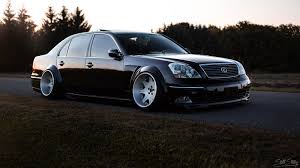
The “Hotboi” points can be associated with street credit or “Street Cred”. This is how you make a name for yourself. Picture it like this, you’re in the first grade and it is time for show and tell. Your best friend brings his Ipod to show, and suddenly, at recess, he is now everyone’s best friend. Your popularity rides on what you have. It is typically associated with new trends and what’s stylish in the community. For example right now, lower cars called V.I.P builds are very popular and well received in the community.
“Deja Vu… I’ve just been in this place before”:
Deja Vu, a eurobeat song taken from the popular anime TV series Initial D is a staple to those who grew up watching it. Ironically, a lot of people who grew up watching the anime series are those who build and own these japanese cars.
“Ya, Initial D is huge, why do you think a mint Panda AE86 goes for 30k plus? Everyone associates it with their childhood. It’s part nostalgia and part being influenced by what someone enjoys.” – Robert Carpenter
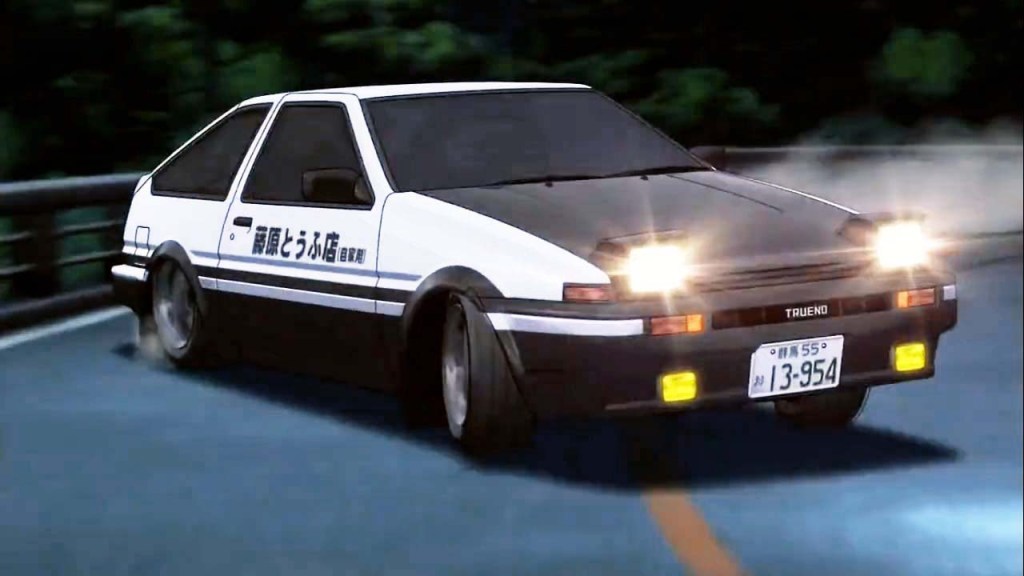
Nostalgia and influence are two totally different things but they both affect the prices of these cars. In the tv series, the main character Takumi is seen throwing his car around mountain touge corners, giving the watcher a rush and keeping them on the edge of their seat. It’s the same rush watching the final minutes of game 7 of a playoff series. Tuners are thrill seekers and these cars found on TV are deemed an outlet to find this rush. However, rush and thrill isn’t the only reason why Initial D and other tv series influence the rise of price in these cars. The TV series depicts Takumi making a transition into the car scene.
“Powerful engines are rendered irrelevant by these mountain roads, which require light weight, good handling, but most of all: finesse. And that’s part of what makes the series so relatable. It doesn’t matter what you drive. What matters is that you always continue to work on your technique.” (Tauro)
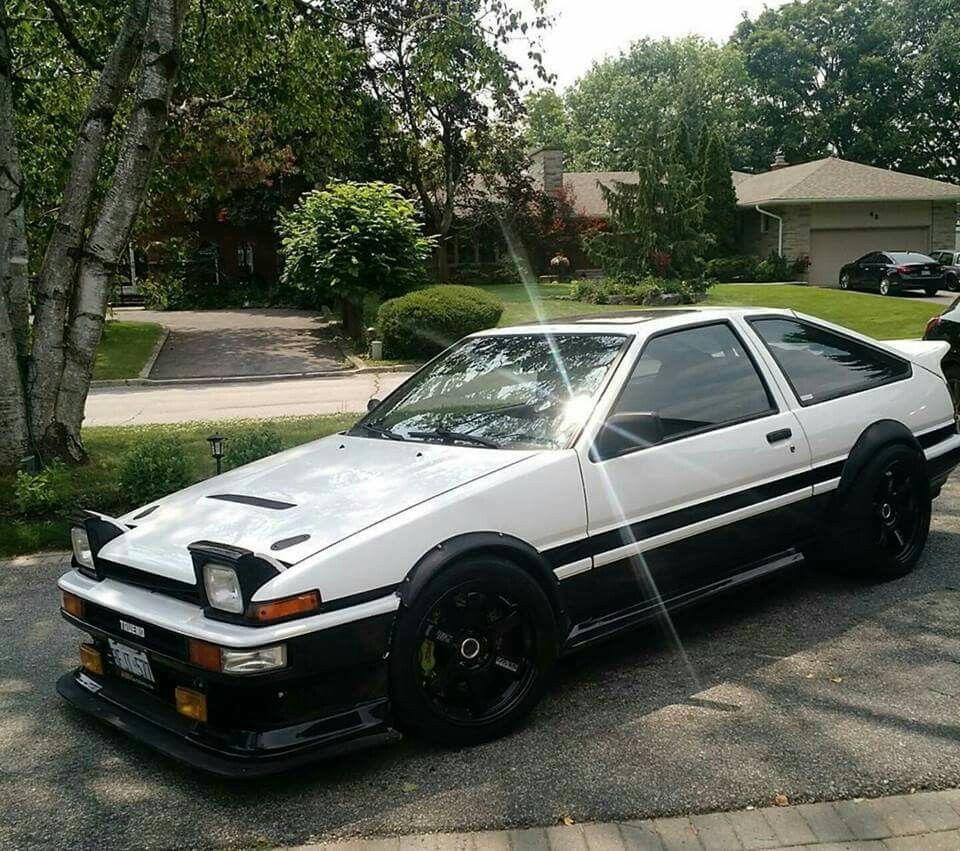
Ironically the whole message of “ it doesn’t matter what you drive” turned into “it matters what you drive.” The fact that this TV series is relatable, makes the cars desirable. The Toyota Trueno Corolla is the main car of the series.This model was manufactured from 1983-1987, it is so old that Autotrader.ca wont appraise the value of the car. I would assume anywhere between $500-$2500 is reasonable. Well, because of the television association with his car, getting one would cost anywhere from $25000-$30000.
The phenomena of high prices due to film and TV influence hit an all time high in 2001 with the release of a very popular film.
“I live my life a quarter mile at a time…” – Dominic Toretto
The Fast and Furious, the whole franchise, has done its part in contributing to the uprising of the tuner car community and the popularity of these cars. The movies have influenced two/ three generations of car lovers and their passion for customization. The franchise started a whole uproar in the car scene, from modifications to illegal street racing and just like Initial D, influenced the popularity of these cars.
“From the early days when green StreetGlow neon lights were getting zip-tied to the underside of every Civic on the street to the recent auctioning of the iconic orange Supra from the first film for $185,000, along with the villainous 350Z Nissan from Tokyo Drift, the level of interest in these films and their cars is astronomical.” (Wright)
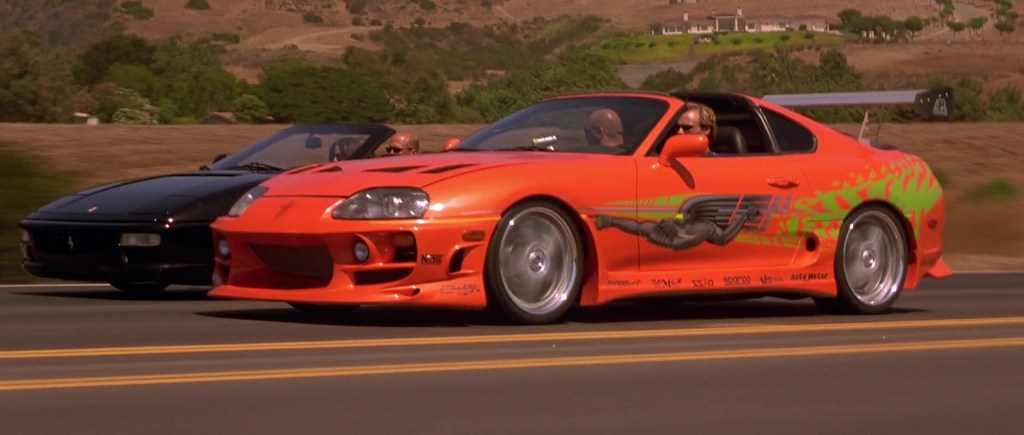
These films were kickstarters and really affected the car world. Even though car trends are starting to stray away from the original movies, there is still an impact on car sales and the prices of these cars. The original car from the franchise is an orange Toyota Supra and this has definitely affected the car’s reputation over the years. The high prices in this case can be deemed “hollywood influence”. The CEO of Dodge recently commented on this idea of Hollywood influence and it seems to be positive.
“This franchise has been good for Dodge, and Dodge has been good for the franchise, […] The company had to ask its dealerships to stop taking orders for the $60,000-plus [Dodge Charger Hellcat] because they couldn’t make them fast enough.”
Everyone takes something different away from motion pictures, interpretation is what makes us unique. Regardless, its affected sales and prices for these cars. It got to the point where the prices for legal JDM cars in the early 2000s was so high that a smuggling business popped up. People would illegally import these cars from Japan to the USA under different VIN codes, and this led to a ban on the cars. Here in Quebec you can only register a right hand drive vehicle if it is 25 years or older.
In a nutshell seeing something on a big screen influences people to pursue things. Owners and sellers understand the association and meaning that these cars hold to people and capitalize. The Supra is a great example but the same goes for the Nissan Skyline and Mazda RX7.
Digging Deep into what Made Us Happy:
I could ramble on and on about more reasons why these cars are priced more than new sports cars, but there is one thing they all have in common, they all rely on a foundation of our good friend nostalgia.
“Nostalgia isn’t about the memory itself, but about that vague ache we feel inside of ourselves as we revisit it” (Hunter)
Take a look at these photos, one of these should hit you hard in the feels:
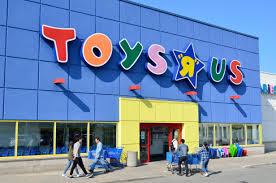
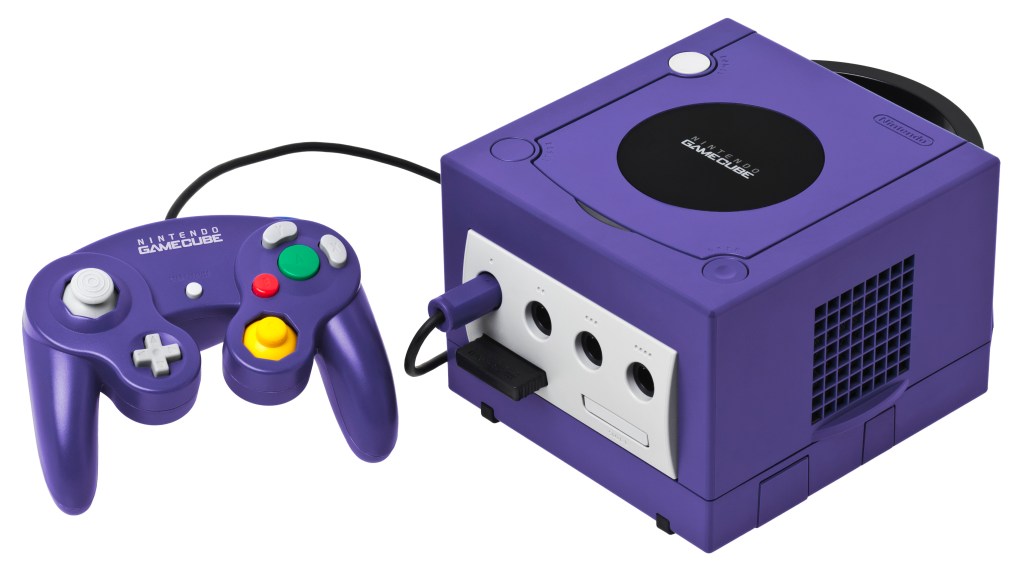

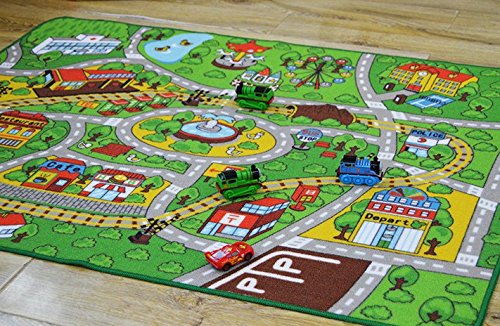
That feeling is deep and really takes you back. This is ultimately the main reason why cars, especially those from Japan (90s) are so expensive. It has something to do with the movies and TV shows. Growing up, typically as a child there is some form of enjoyment and attachment associated with what you see and what you do. For some, owning these cars remind them of simpler and fun times. When I was growing up, I used to help my uncle with his car. We used to customize his car with new wheels, body kits and speaker systems. Just sitting in my car after installing something new, or just going for a drive takes me back to those times, and it is really uplifting and sentimental. I can’t help but smile. It’s like hugging someone you love,
I own a 1996 Acura Integra, and this purchase was 100% influenced by the feeling of nostalgia. Both my uncle and next door neighbor at some point or another owned a 90s sports car. Sharing the memory of working on a car with someone and developing that bond is something important to a lot of people.
Part of nostalgia is fulfilling a dream or goal set by your younger self. Have you ever gone shopping and you saw something super cool and you told yourself; “someday I’ll have one of those.” It goes the same for these cars. Once you get what you want, there is this never ending feeling of joy.
Nostalgia is a driving factor that makes these cars so desirable, wanting and seeking that happiness cannot be compared to anything else. Cars like the Supra and skyline are getting older and older which is making them harder to find. Nowadays it is normal to be shelling out an arm and a leg just to find something that takes you back to “the good ol’ days.”
Petrolheads, grocery store clerks, stay at home parents, brothers, teachers, coaches, etc… all profit from nostalgia, well, positive nostalgia. Everyone enjoys some kind of positivity, and it makes hard times better. It’s unfortunate that these super cool cars are priced on sentimental value rather than market worth, but in the end there is nothing like driving a car that puts a smile on your face.
90s JDM sports cars are subject to go up in price in the next few years. With less cars being available and more generations of car lovers are born. These speed machines from a simpler time will hit the six figure mark in as little as 3 years, but the motive will always stay the same. Living up to one’s dreams, sometimes comes at a cost and for enthusiasts it’s a cost that they are willing to pay. No new car will ever fill the same void made by the desire to own a crappy project car from the 90s.
Bibliography
https://oppositelock.kinja.com/initial-d-is-a-great-introduction-to-car-culture-1778539188
https://www.latimes.com/business/autos/la-fi-hy-furious-7-dodge-ceo-20150406-story.html
Bellafante, Ginia. “What Price Nostalgia? Looking Ahead to Resale.” New York Times, 15 Sept. 2004, p. B10. Gale Academic OneFile, https://dc153.dawsoncollege.qc.ca:2267/apps/doc/A121989244/AONE?u=west74079&sid=AONE&xid=77a50588. Accessed 18 May 2020
Hunter, Travis. “Nostalgia explained.” UWIRE Text, 19 Oct. 2018, p. 1. Gale Academic OneFile, https://dc153.dawsoncollege.qc.ca:2267/apps/doc/A559274639/AONE?u=west74079&sid=AONE&xid=a77ff4f5. Accessed 18 May 2020.
https://www.topgear.com/car-news/big-reads/heres-whats-happened-to-japanese-car-modifying-culture
 Kev's Blogski